
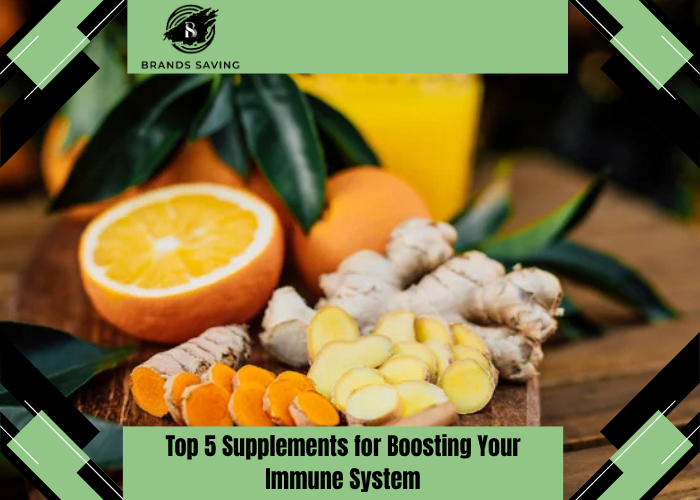
Top 5 Supplements for Boosting Your Immune System
Maintaining a strong immune system has become a major priority for people looking to stay healthy, energetic, and resilient throughout the year. While balanced nutrition, regular exercise, and quality sleep remain the foundation of good health, many people turn to supplements for additional immune support. The right supplements can help fill nutritional gaps, support the body’s natural defenses, and improve overall wellness when combined with healthy daily habits.
If you have been searching for the best supplements to support your immune system naturally, understanding how these nutrients work is essential. Not every supplement delivers the same benefits, and some are more effective when paired with proper lifestyle choices.
This guide explores five of the most widely recommended immune-supporting supplements, how they work, who may benefit most from them, and practical ways to include them in your routine safely.
Why Immune Health Matters More Than Ever
Your immune system acts as your body’s defense network. It helps identify and fight viruses, bacteria, toxins and other harmful invaders before they cause illness. A well-functioning immune system also supports faster recovery and helps regulate inflammation throughout the body.
However, modern lifestyles can place extra stress on immune health. Factors like poor sleep, processed diets, lack of exercise, chronic stress, dehydration and environmental pollutants may weaken immune function over time.
This is where nutritional support becomes important. Supplements cannot replace healthy habits, but they can help support the body when dietary intake is lacking or during periods of increased stress.
Understanding Immune-Boosting Supplements
Immune supplements work in different ways. Some help support white blood cell production, while others reduce inflammation, improve gut health, or protect cells through antioxidant activity.
The most effective immune-support supplements are usually backed by scientific research and contain nutrients the body already relies on naturally.
Before starting any supplement, it is important to remember:
- Supplements are not instant cures
- More is not always better
- Quality matters
- Consistency matters more than occasional use
- A healthy lifestyle remains essential
Now let’s look at the five most popular supplements for immune support and why they continue to be recommended by health professionals worldwide.
1. Vitamin C: The Classic Immune Support Supplement
Vitamin C remains one of the most trusted nutrients for supporting immunity. Known for its antioxidant properties, vitamin C helps protect cells from oxidative stress while supporting several essential immune functions.
How Vitamin C Supports Immunity
Vitamin C contributes to:
- White blood cell production
- Faster wound healing
- Reduced inflammation
- Protection against oxidative damage
- Collagen production for healthy skin barriers
Because the body cannot store vitamin C efficiently, regular intake is important.
Food Sources of Vitamin C
Although supplements are common, vitamin C is naturally found in foods such as:
- Oranges
- Strawberries
- Bell peppers
- Kiwi
- Broccoli
- Pineapple
However, busy lifestyles and inconsistent diets often lead people to choose supplements for convenience.
Practical Benefits
Many people use vitamin C during seasonal changes or periods of increased stress. Research suggests it may help shorten the duration of common colds and support faster recovery.
Vitamin C is especially popular among travelers, athletes and individuals exposed to high physical or mental stress.
2. Vitamin D: The Sunshine Nutrient for Immune Health
Vitamin D plays a crucial role in immune regulation and overall wellness. Unlike most vitamins, the body produces vitamin D through sunlight exposure. However, many people spend limited time outdoors or live in regions with lower sun exposure.
This makes vitamin D deficiency surprisingly common.
Why Vitamin D Matters
Vitamin D helps:
- Regulate immune responses
- Support bone health
- Reduce inflammation
- Maintain muscle function
- Promote overall wellness
Low vitamin D levels have been associated with increased susceptibility to infections and fatigue.
Who May Need Vitamin D Supplements?
People most likely to benefit include:
- Individuals with limited sun exposure
- Office workers
- Older adults
- People living in colder climates
- Individuals with darker skin tones
Supplementation can help maintain healthy vitamin D levels year-round.
Tips for Better Absorption
Vitamin D is fat-soluble, meaning it absorbs better when taken with meals containing healthy fats like avocado, olive oil or nuts.
3. Zinc: A Powerful Mineral for Immune Function
Zinc is an essential mineral involved in hundreds of biological processes throughout the body. It plays a direct role in immune cell activity and inflammation control.
Even mild zinc deficiency can impact immune performance.
Benefits of Zinc for Immunity
Zinc helps support:
- Immune cell communication
- Wound healing
- Inflammation reduction
- Antioxidant protection
- Recovery from illness
Zinc is commonly used during the early stages of colds because studies suggest it may help reduce symptom duration when taken promptly.
Natural Food Sources
Zinc is naturally found in:
- Meat
- Shellfish
- Nuts
- Seeds
- Legumes
- Dairy products
However, some individuals may not get enough zinc through diet alone, particularly vegetarians or people with restrictive eating habits.
Important Usage Notes
Excess zinc intake can interfere with other minerals like copper, so moderation is important. Long-term high doses should only be used under medical supervision.
4. Probiotics: Supporting Immunity Through Gut Health
One of the most interesting discoveries in modern health research is the connection between gut health and immune function.
A large portion of the immune system is linked to the digestive tract, making probiotics increasingly important for overall wellness.
What Are Probiotics?
Probiotics are beneficial bacteria that help maintain balance within the gut microbiome. A healthy microbiome supports digestion, nutrient absorption, and immune activity.
How Probiotics Help the Immune System
Probiotics may help:
- Support healthy digestion
- Improve gut barrier function
- Reduce inflammation
- Promote immune balance
- Lower the risk of certain infections
Many people notice improved digestion and better overall wellness after introducing probiotics into their routines.
Choosing the Right Probiotic
Not all probiotics are identical. Different strains support different functions.
Look for supplements with:
- Multiple bacterial strains
- Clear labeling
- Adequate colony-forming units (CFUs)
- Refrigeration recommendations if needed
Fermented foods like yogurt, kefir, kimchi, and sauerkraut also naturally contain probiotics.
5. Echinacea: A Traditional Herbal Immune Booster
Echinacea is one of the most popular herbal supplements for immune support. Derived from a flowering plant, echinacea has been used traditionally for centuries.
Potential Benefits of Echinacea
Echinacea may help:
- Support immune activity
- Reduce cold severity
- Shorten illness duration
- Support respiratory wellness
Many people use echinacea seasonally or at the first sign of cold symptoms.
Short-Term Use Is Best
Unlike vitamins or minerals that may be taken daily, echinacea is often recommended for short-term use rather than continuous long-term supplementation.
This makes it especially popular during colder months or periods of increased illness exposure.
Lifestyle Habits That Strengthen Your Immune System
Supplements work best when combined with healthy daily habits. No supplement can compensate for chronic sleep deprivation, poor nutrition or excessive stress.
Prioritize Sleep
Sleep is essential for immune recovery and repair. Adults generally need seven to nine hours nightly.
Stay Hydrated
Proper hydration supports circulation, digestion and nutrient transport.
Exercise Regularly
Moderate exercise improves circulation and supports immune responsiveness.
Manage Stress
Chronic stress can weaken immune function over time. Meditation, walking, hobbies and social connection may help reduce stress levels.
Eat Whole Foods
A nutrient-rich diet remains the foundation of strong immunity.
Pros and Cons of Immune Supplements
| Pros | Cons |
|---|---|
|
Helps fill nutritional gaps |
Cannot replace healthy habits |
|
Convenient daily support |
Overuse may cause side effects |
|
May improve recovery support |
Quality varies between brands |
|
Supports overall wellness |
Some supplements interact with medications |
Who Should Consider Immune Support Supplements?
Immune supplements may be especially useful for:
- Busy professionals
- Older adults
- Frequent travelers
- Athletes
- People with restricted diets
- Individuals under chronic stress
- Those recovering from illness
However, supplements should always be used thoughtfully and ideally with guidance from a healthcare provider.
Common Mistakes People Make with Supplements
Taking Too Many at Once
Combining multiple supplements without guidance can lead to excessive intake.
Ignoring Dosage Recommendations
Higher doses do not always provide better results.
Choosing Low-Quality Brands
Poor manufacturing standards can reduce effectiveness.
Expecting Instant Results
Immune support works gradually through consistent use and healthy habits.
How to Build a Simple Immune Support Routine
A realistic immune-support routine does not need to be complicated.
A balanced approach may include:
- Daily hydration
- Nutritious meals
- Adequate sleep
- Regular exercise
- Stress management
- Targeted supplements when needed
Consistency matters far more than perfection.
Final Verdict
When it comes to supporting immune health naturally, supplements like vitamin C, vitamin D, zinc, probiotics and echinacea can provide meaningful support when used responsibly. Each offers unique benefits that contribute to the body’s natural defense system, especially during stressful periods, seasonal changes, or nutritional gaps.
However, the most effective immune strategy combines smart supplementation with healthy daily habits. Good sleep, balanced nutrition, regular movement and stress management remain the foundation of long-term wellness.
Supplements are best viewed as supportive tools rather than miracle solutions. Used wisely and consistently, they can become a valuable part of maintaining a healthier lifestyle.
FAQs
1. Can I take multiple immune supplements together?
Yes, many people combine supplements like vitamin C, vitamin D and zinc safely. However, consult a healthcare provider to avoid excessive intake or interactions.
2. Is it safe to take vitamin D daily?
For most adults, moderate daily vitamin D supplementation is considered safe, but individual needs vary depending on blood levels and health conditions.
3. Do probiotics really help immunity?
Yes, probiotics support gut health, which plays a major role in immune system function and overall wellness.
4. Can zinc stop a cold completely?
Zinc may help shorten cold duration and reduce symptom severity, especially when taken early, but it does not completely prevent illness.
5. How long should I use echinacea?
Echinacea is generally recommended for short-term use during periods of increased immune stress or early cold symptoms.
6. Are natural food sources better than supplements?
Whole foods should always be the primary source of nutrients, but supplements can help fill dietary gaps when necessary.
7. What is the most important habit for strong immunity?
Consistent sleep, balanced nutrition, hydration, exercise and stress management are the most important foundations for a healthy immune system
At BrandsSaving, we are dedicated to helping you shop more intelligently, spend more judiciously, and find superior value online. Regardless of whether you are a student, a parent, a fashion enthusiast, or just a sensible shopper, we link you to dependable savings opportunities and trustworthy buying options from your preferred brands across the globe
Subscribe
Sign up below to receive money-saving tips, frugal ideas, family-friendly recipes, and more.