
Best Productivity Desk Accessories Compared: Brew Deskpad vs Traditional Planners
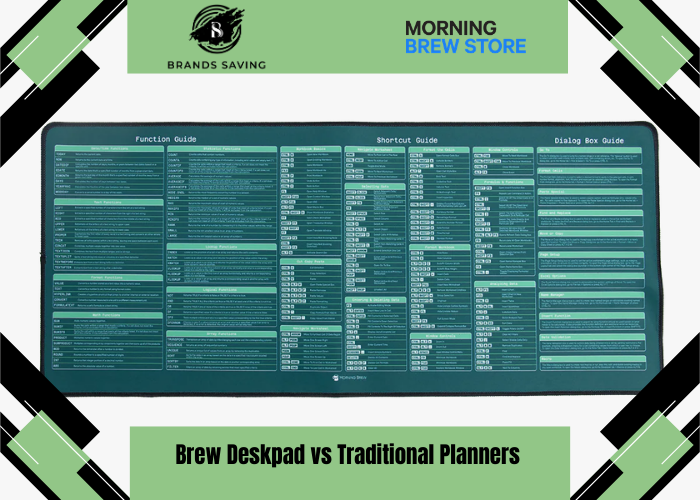
Staying organized and productive at work isn’t just about willpower it’s about having the right tools on your desk. Two very different approaches have emerged in recent years: large, interactive desk accessories designed to guide workflow, and old-school paper planners that rely on daily lists.
In this comparison, we look at how the Brew Deskpad from The Morning Brew Store stacks up against traditional planners. We focus on usability, flexibility, daily productivity impact, and overall value so you can choose the best fit for your work style.
Table of Contents
Why Desk Productivity Tools Matter
The tools you use to plan your day can shape how efficiently you work. The right desk accessories help you:
-
visualize tasks and priorities
-
stay focused without constant reference checks
-
reduce context switching
-
track progress over time
Selecting the right type of planner or pad can directly influence your productivity habits.
What the Brew Deskpad Is
The Brew Deskpad is a large, professional-themed desk accessory designed to be both functional and visually intuitive. It combines space for notes, schedules, and reminders with a layout that keeps you oriented throughout the day.
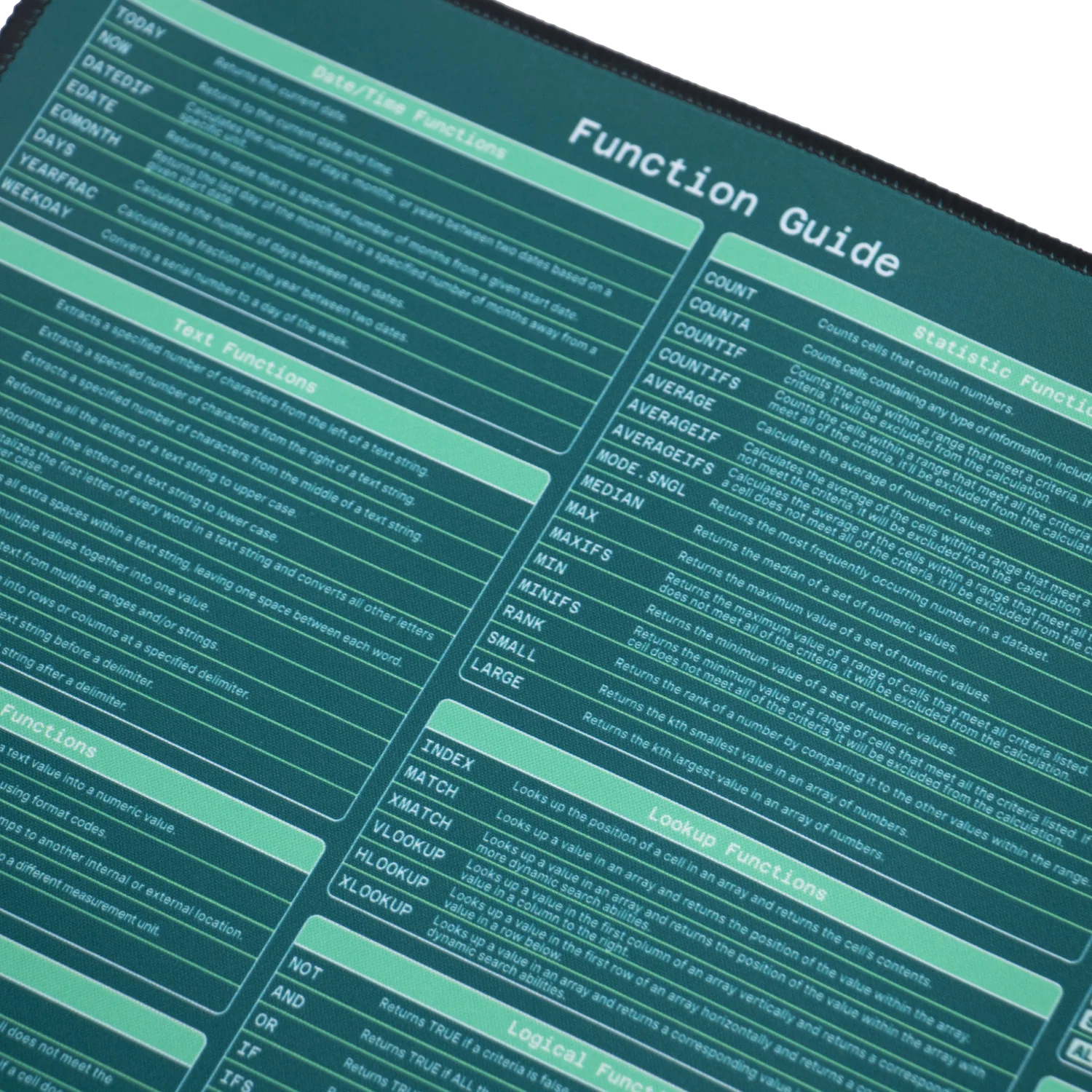
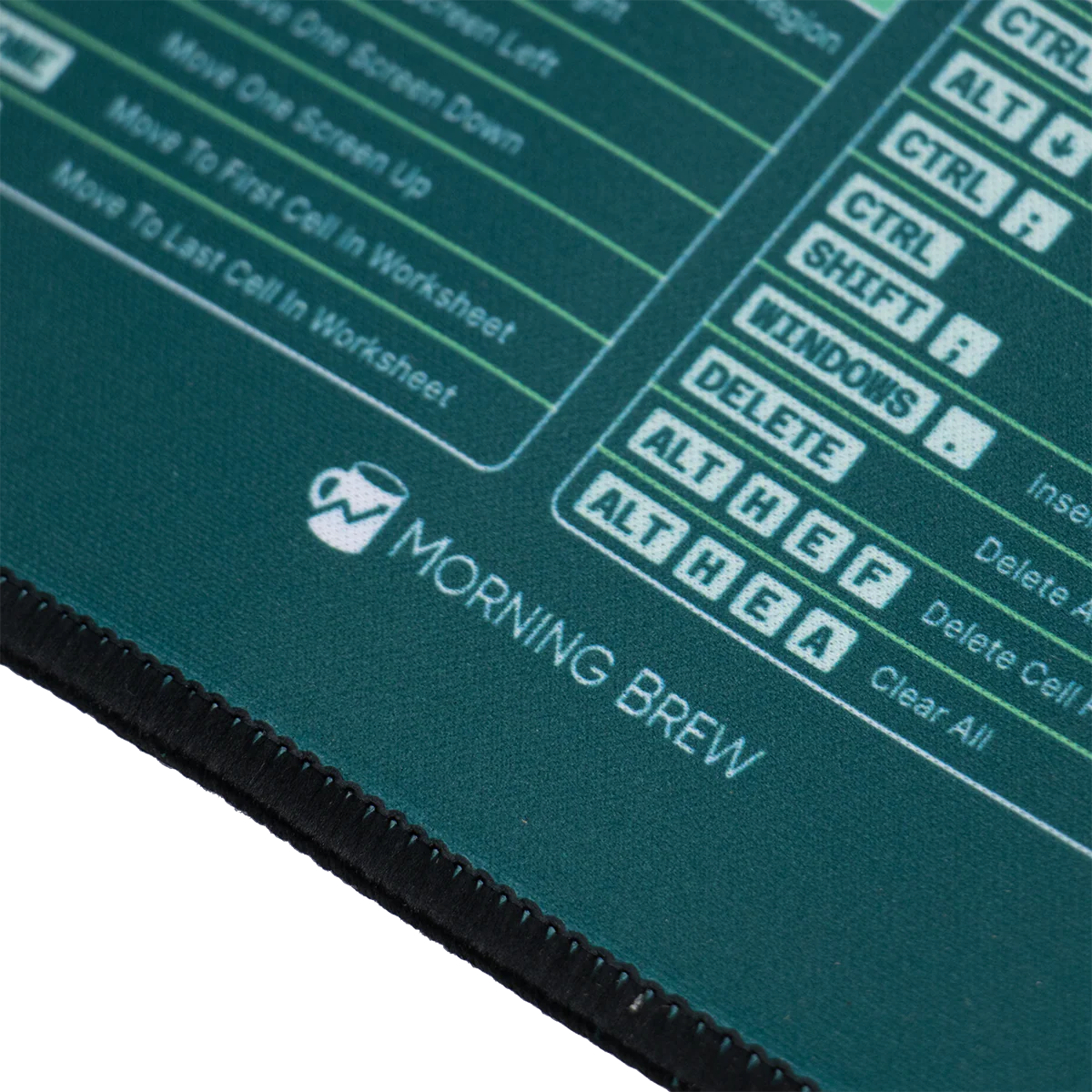
Unlike a bound notebook, a deskpad stays in front of you all day, offering a bird’s-eye view of your tasks.
Traditional Planners Explained
Traditional planners are bound books or notebooks that break your schedule into pages daily, weekly, or monthly. They’re familiar tools many professionals have used for years.
They typically include:
-
dated pages
-
sections for goals
-
room for meeting notes
-
small to-do lists
Planners can be paper, digital, or hybrid, but for this comparison we’ll focus on standard paper planners.
Feature Comparison: Brew Deskpad vs Planner
| Feature | Brew Deskpad | Traditional Planner |
|---|---|---|
| Visual Workspace | ⭐⭐⭐⭐ | ⭐⭐ |
| Daily Overview | ⭐⭐⭐⭐ | ⭐⭐⭐ |
| Space for Notes | ⭐⭐⭐⭐ | ⭐⭐⭐ |
| Planning Flexibility | ⭐⭐⭐ | ⭐⭐⭐⭐ |
| Portability | ⭐⭐⭐ | ⭐⭐⭐⭐ |
| Long-Term Tracking | ⭐⭐ | ⭐⭐⭐⭐ |
| Aesthetic & Daily Presence | ⭐⭐⭐⭐ | ⭐⭐⭐ |
This table gives a snapshot of where each tool shines.
Usability in Daily Workflows
Brew Deskpad
Because the deskpad sits in front of you, it becomes part of your workflow. You don’t need to open or flip pages your day’s tasks, priorities, and notes are always visible.
Ideal for:
-
high-focus routines
-
visual thinkers
-
multitaskers
The layout encourages you to capture what matters now without losing sight of what’s next.
Traditional Planner
Traditional planners work well if you:
-
plan ahead (weekly/monthly)
-
need structured goals over longer horizons
-
like flipping between dates and notes
Planners work well for long-term planning, but they require intentional reference throughout the day.
Organization and Planning Differences
The Brew Deskpad excels at active planning what you’re doing today and this afternoon. It’s less about dates and more about priorities and execution.
Traditional planners are better for:
-
future planning
-
tracking goals over weeks or months
-
archiving completed work for later reference
Each tool serves different parts of the workflow.
Customization and Flexibility
Brew Deskpad
Deskpads usually have:
✔ spacious layouts
✔ room for tasks, scribbles, and reminders
✔ sections for top priorities
But they’re generally undated and designed for daily reuse rather than date-specific tracking.
Traditional Planner
Planners have:
✔ dated pages (daily/weekly/monthly)
✔ built-in calendars
✔ structured sections for long-term planning
They require more discipline but offer tracking over time.
Long-Term Productivity Impact
Both tools can improve productivity but in different ways:
-
Deskpads are great for day-to-day focus and execution.
-
Planners are better for goal setting, review, and long-term tracking.
If you constantly feel scattered during the workday, the deskpad’s presence keeps everything in view. If you struggle to plan weeks or months ahead, a traditional planner may serve you better or use both tools together.
Pros and Cons
Brew Deskpad
Pros
✔ Always visible during work
✔ Encourages daily focus
✔ Great for task mapping
✔ Large format encourages notes
Cons
✘ Not dated
✘ Not ideal for long-term tracking
✘ Less portable
Traditional Planner
Pros
✔ Structured dates
✔ Good for weekly/monthly goals
✔ Easy to archive and review
Cons
✘ Requires active flipping
✘ Less visible during the workday
✘ Can become cluttered
Final Verdict
The best productivity tool depends on your workflow style:
-
If you want everyday clarity and execution, the Brew Deskpad is an excellent central piece of your workspace.
-
If you need structured planning over time, a traditional planner still has its place.
The truth is many professionals benefit from combining both: use the deskpad for day-to-day execution and a planner for weekly or monthly planning.
At BrandsSaving, we are dedicated to helping you shop more intelligently, spend more judiciously, and find superior value online. Regardless of whether you are a student, a parent, a fashion enthusiast, or just a sensible shopper, we link you to dependable savings opportunities and trustworthy buying options from your preferred brands across the globe
Subscribe
Sign up below to receive money-saving tips, frugal ideas, family-friendly recipes, and more.