
Complete Buying Guide for RV Jack Pads – How to Choose the Best in 2026
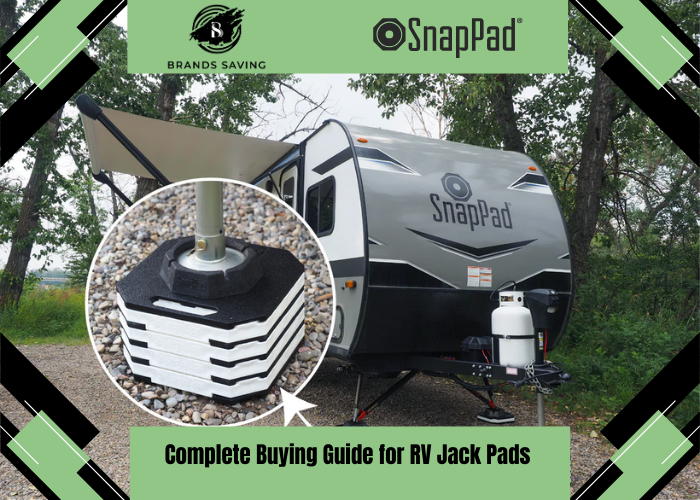
Planning to buy RV jack pads but not sure which type is right for your rig?
This complete guide explains the different types, key features, pricing, and expert tips to help you choose the best RV jack pads for better stability, protection, and hassle-free leveling.
TABLE OF CONTENTS
Introduction
Buying the right RV jack pads is more important than most RV owners realize. The wrong choice can lead to unstable leveling, damaged landing feet, or constant hassle during setup.
This guide walks you through everything you need to know before purchasing RV jack pads. You’ll learn how they work, which types are available, what features actually matter, and how much you should expect to spend.
By the end, you’ll be able to choose the right solution with confidence.
What Is an RV Jack Pad?
An RV jack pad is designed to provide a stable base under your RV’s leveling feet. It distributes weight more evenly and prevents metal landing gear from sinking into soft ground or getting damaged on hard surfaces.
They are commonly used for:
-
Improving campsite stability
-
Preventing sinking in mud, sand, or gravel
-
Protecting metal jack feet from rust and bending
-
Reducing interior shake and sway
Modern RV jack pads come with features such as heavy-duty rubber construction, increased surface area, and permanent snap-on installation systems, making them more convenient and durable than older wooden blocks.
Types of RV Jack Pads
1. Permanent Snap-On Rubber Pads
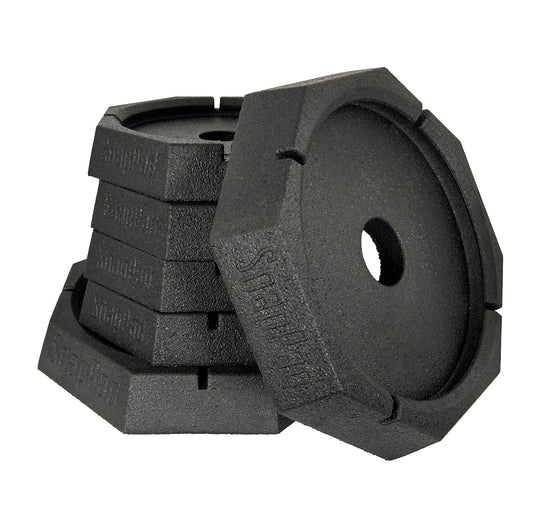
These pads attach directly to your RV’s existing leveling feet and remain installed during travel. One of the most recognized brands in this category is RV SnapPad.
Best for: Frequent RV travelers and full-time RVers
Pros:
-
No manual placement needed
-
Expands surface area significantly
-
Protects jack feet from damage
-
Made from durable recycled rubber
Cons:
-
Higher upfront cost
-
Must match exact jack foot size
2. Stackable Plastic Blocks
These are lightweight blocks placed manually under leveling feet.
Best for: Occasional campers
Pros:
-
Affordable
-
Easy to store
-
Adjustable height
Cons:
-
Require setup every time
-
Can crack or shift under heavy rigs
3. Wooden or DIY Pads
Pressure-treated lumber or composite boards used under landing feet.
Best for: Temporary or emergency use
Pros:
-
Very inexpensive
-
Easy to find locally
Cons:
-
Can rot or split
-
Absorbs moisture
-
Requires frequent replacement
Key Features to Consider
Before buying RV jack pads, focus on these essential features:
1. Build Quality
Look for heavy-duty rubber or reinforced materials that resist cracking, weather damage, and long-term wear. Rubber pads made from recycled tires tend to last significantly longer.
2. Performance
Performance depends on surface area expansion and grip. Pads that increase the contact area by 200–300% offer better stability and reduce movement inside the RV.
3. Size & Design
Compatibility is critical. Measure your existing jack feet carefully. Some pads are model-specific.
4. Ease of Use
Permanent snap-on systems eliminate crawling under the RV every time you park. Manual blocks require bending and positioning.
5. Safety Features
Rubber pads can act as electrical insulators and reduce metal-to-ground contact. They also prevent sliding on smooth surfaces like concrete.
6. Warranty & Support
Choose brands that offer solid customer support and warranty coverage. RV gear should last for years, not months.
How to Choose the Right RV Jack Pads
Here’s a simple step-by-step method:
Step 1: Identify Your Needs
Are you a weekend camper or full-time RVer? Frequent travelers benefit more from permanent solutions.
Step 2: Set Your Budget
-
Budget: Basic blocks for occasional use
-
Mid-range: Durable plastic or composite solutions
-
Premium: Permanent snap-on rubber pads
Step 3: Compare Key Features
Focus on durability, installation type, compatibility, and surface area expansion.
Step 4: Check Reviews & Ratings
Look for consistent feedback about durability and stability improvements.
Step 5: Consider Long-Term Value
A product that lasts 5–10 years often saves more money than replacing cheaper options annually.
Top Recommended Options
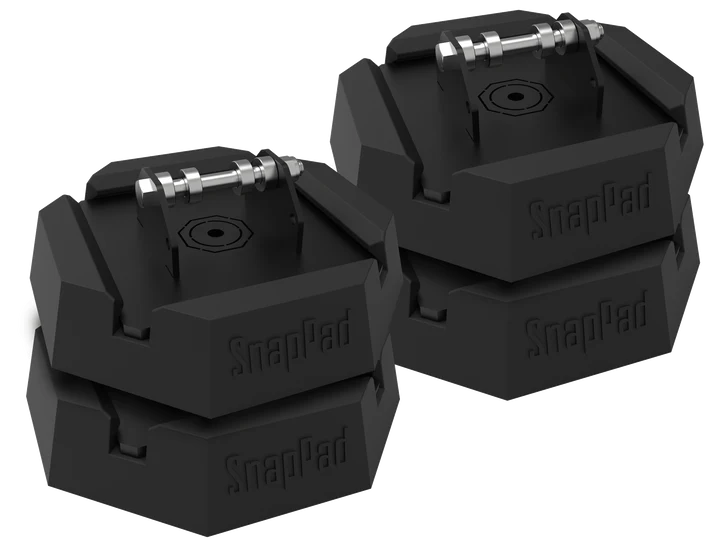
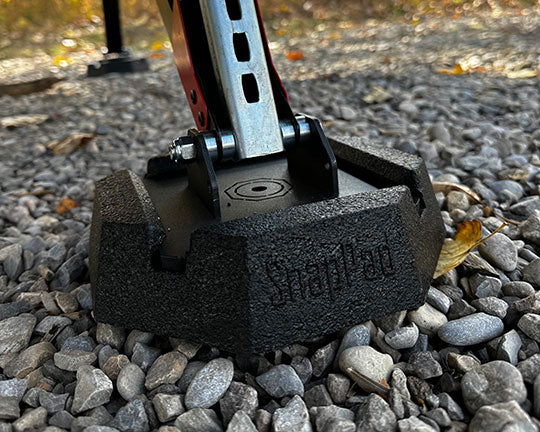
Best Overall: RV SnapPad Permanent Jack Pads
Image Placement:
-
800 x 600 px
-
Same alignment and style as other products
Why We Recommend It:
Permanent installation, excellent durability, and significantly improved stability make this the most convenient long-term solution for most RV owners.
Key Highlights:
-
Made from 100% recycled American tires
-
Expands landing foot surface area
-
Protects against rust and abrasion
-
Stays attached during travel
Best For: Frequent RVers and heavy rigs
Price Range: Mid to Premium
Best Budget Option: Stackable Plastic Jack Blocks
Image Placement:
-
800 x 600 px
Why We Recommend It:
Affordable and adjustable, suitable for lighter RVs and occasional trips.
Best For: Weekend campers
Price Range: Budget
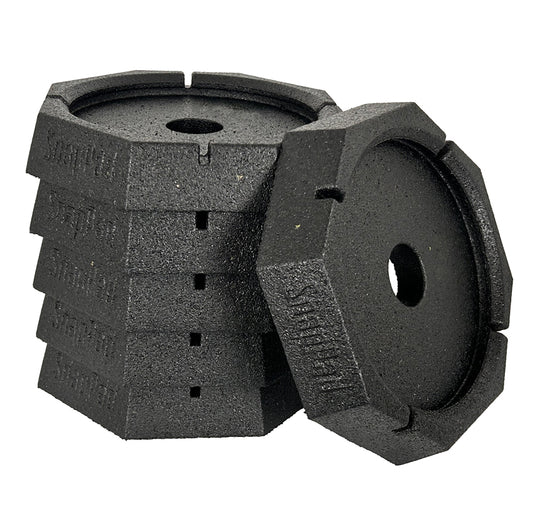
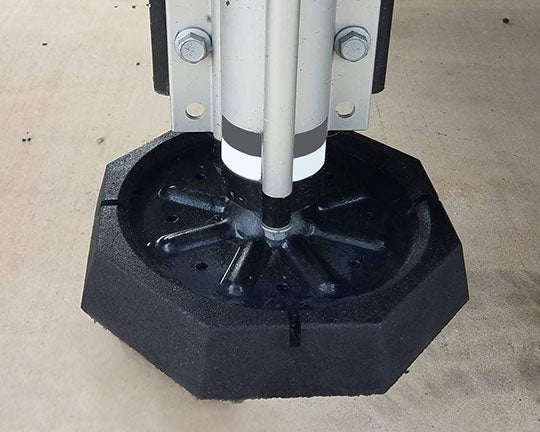
Best Premium Option: Heavy-Duty Permanent Rubber System
Image Placement:
-
800 x 600 px
Why We Recommend It:
Designed for maximum durability and long-term stability under heavy fifth wheels and motorhomes.
Best For: Full-time RVers
Price Range: Premium
Common Mistakes to Avoid
Many buyers make these mistakes:
Buying only based on price
Cheaper pads may fail under heavy loads.
Ignoring compatibility or size
Incorrect fit can cause instability.
Overpaying for features they don’t need
Not every camper needs premium-grade pads.
Skipping warranty and support
Long-term durability matters.
Price & Value Guide
How Much Should You Spend on RV Jack Pads?
Budget Range ($20 – $60):
Basic blocks for light, occasional use.
Mid-Range ($80 – $150):
Better durability and improved stability.
Premium Range ($150 – $300+):
Permanent systems with superior materials and long-term protection.
Most frequent RVers find mid-range to premium options provide the best long-term value.
Maintenance & Care Tips
To extend the life of your RV jack pads:
-
Clean dirt and debris regularly
-
Inspect for cracks or wear
-
Ensure secure fit before travel
-
Follow manufacturer installation guidelines
Rubber pads require minimal maintenance compared to wood or plastic alternatives.
Frequently Asked Questions
Is RV jack pads good for beginners?
Yes. They improve stability and make leveling easier, especially for new RV owners.
How long does a good RV jack pad last?
High-quality rubber pads can last several years, often the lifetime of your RV.
Which brand makes the best RV jack pads?
Brands specializing in permanent rubber systems, such as RV SnapPad, are widely recognized for durability and performance.
Can I use RV jack pads on concrete surfaces?
Yes. Rubber pads are particularly effective on asphalt and concrete to reduce vibration and protect metal feet.
Are expensive models worth it?
If you travel often or own a heavier RV, premium models typically provide better long-term value.
Final Thoughts
Choosing the right RV jack pads depends on how often you travel, your rig’s weight, and how much convenience matters to you.
If you want a reliable, long-term solution with minimal setup effort, permanent snap-on pads are the safest choice. They offer better stability, protect your equipment, and eliminate the hassle of manual blocks.
For most RV owners, a durable rubber system provides the best balance of performance and long-term value.
At BrandsSaving, we are dedicated to helping you shop more intelligently, spend more judiciously, and find superior value online. Regardless of whether you are a student, a parent, a fashion enthusiast, or just a sensible shopper, we link you to dependable savings opportunities and trustworthy buying options from your preferred brands across the globe
Subscribe
Sign up below to receive money-saving tips, frugal ideas, family-friendly recipes, and more.
