Electronic Shelf Labels vs Paper Pricing: Cost Savings Breakdown
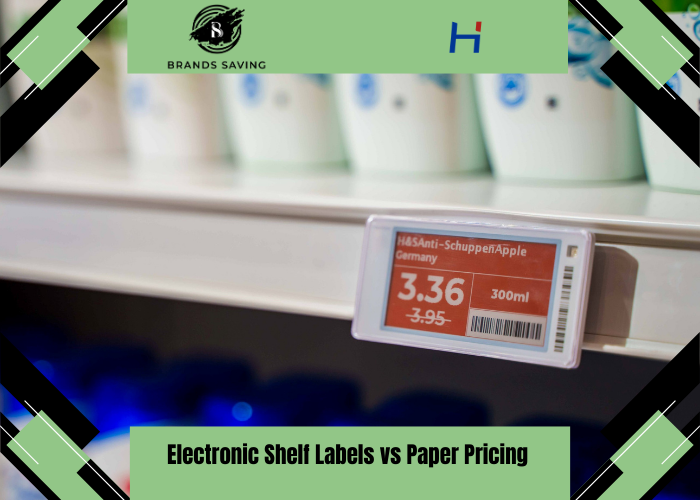
Retail pricing may look simple on the surface, but behind every price tag is a system that affects labor costs, accuracy, sustainability, and profit margins.
As more retailers modernize their stores, Electronic Shelf Labels (ESL) are rapidly replacing traditional paper tags. Technology leaders like Hanshow have helped prove that digital pricing isn’t just convenient, it’s significantly cheaper in the long run.
Let’s break down the real cost differences between ESL systems and paper pricing so you can clearly see where the savings come from.
The Hidden Costs of Paper Price Tags
At first glance, paper labels feel inexpensive. But for medium and large retailers, they quietly drain budgets every month.
Here’s what paper pricing really involves:
-
printing thousands of labels weekly
-
staff hours replacing tags
-
frequent pricing mistakes
-
waste disposal
-
delayed promotions
-
compliance risks
A single store may update prices hundreds of times per week. Multiply that by dozens or hundreds of locations and costs explode fast.
How Electronic Shelf Labels Change the Equation
ESL systems replace manual pricing with automated digital displays connected to the store’s pricing system.
Prices update:
-
instantly
-
accurately
-
store-wide
-
without labor
Once installed, the ongoing cost of price changes drops dramatically.
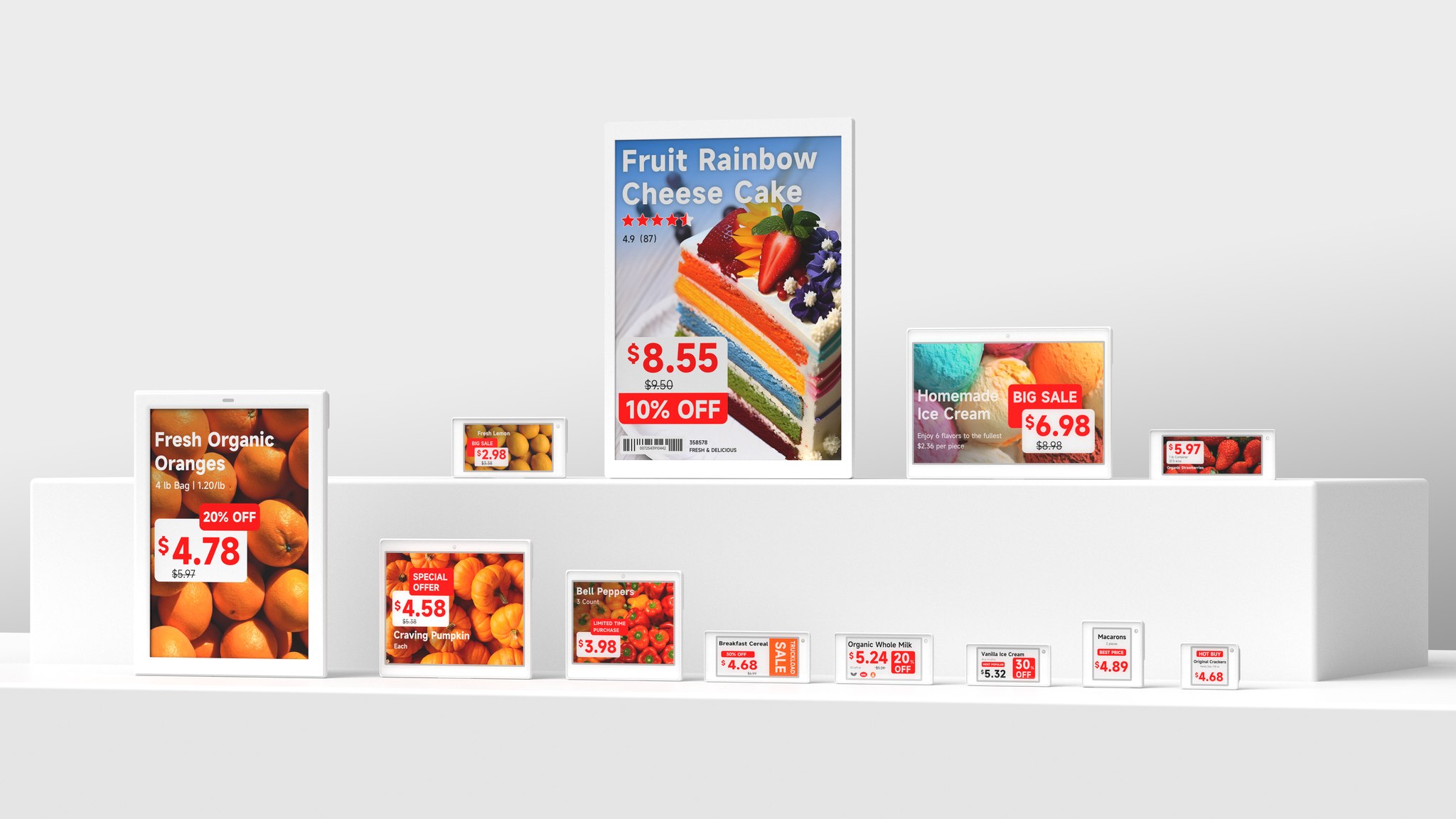
Checkout Electronic Shelf Labels
Labor Cost Comparison (Biggest Savings Area)
Paper Pricing
Typical process includes:
-
printing labels
-
organizing by aisle
-
manually replacing tags
-
double-checking accuracy
Average time per update cycle:
-
4 to 10 labor hours per store
-
weekly or even daily
Annual labor cost per store can reach thousands of dollars.
ESL Pricing
With ESL:
-
updates take seconds
-
no physical work required
-
no checking required
Staff savings often exceed:
-
70% to 90% of pricing labor
For large chains, this becomes millions in payroll savings.
Error Reduction = Direct Profit Protection
Paper Pricing Errors Cost More Than You Think
Common issues include:
-
shelf price lower than checkout
-
outdated promotions
-
missing tags
-
wrong products
This leads to:
-
refunds
-
customer complaints
-
legal compliance risks
Some retailers lose thousands per store annually just from price mismatches.
ESL Pricing Accuracy
ESL systems sync directly with POS systems:
-
shelf and checkout always match
-
promotions apply instantly
-
no outdated pricing
This eliminates most pricing losses overnight.
Printing and Material Costs
Paper Pricing Costs Include
-
printers
-
ink or toner
-
specialty label paper
-
maintenance
-
storage
Large retailers often print tens of thousands of tags per month.
Annual costs quietly pile up.
ESL Pricing Costs
After installation:
-
no printing
-
no ink
-
no paper
-
minimal maintenance
Battery-powered ESL displays can last years before replacement.
Promotion Speed = Revenue Gains
Paper Pricing Delays
Launching a promotion often requires:
-
printing new tags
-
scheduling staff
-
physically changing every shelf
This causes:
-
late promotions
-
missed flash sales
-
slow markdowns on expiring stock
ESL Promotions
Retailers can:
-
launch discounts instantly
-
adjust pricing hourly if needed
-
clear inventory faster
-
reduce food waste
Faster promotions directly increase revenue and profit.
Sustainability Cost Benefits
Paper pricing contributes to:
-
massive paper waste
-
energy for printing
-
logistics for supplies
Many retailers now factor environmental impact into operational costs.
ESL systems help by:
-
eliminating paper waste
-
reducing carbon footprint
-
supporting sustainability targets
Some companies even qualify for green incentives after switching.
Real Long-Term Cost Comparison
While ESL systems require upfront investment, the payback is often quick.
Typical Return Timeline
Most retailers see ROI within:
-
12 to 24 months
After that, ESL becomes a continuous cost-saving system.
Annual Savings Often Include
-
labor reduction
-
printing elimination
-
fewer pricing errors
-
improved promotion performance
-
lower waste costs
For multi-store chains, total savings can reach millions annually.
Are ESL Systems Worth It for Small Stores?
Even smaller retailers benefit if they:
-
update prices frequently
-
run regular promotions
-
manage many SKUs
While large chains see the biggest impact, many independent stores recover costs faster than expected.
Why More Retailers Are Making the Switch Now
The combination of:
-
rising wages
-
digital transformation
-
sustainability goals
-
competitive pressure
is making ESL systems less of a luxury and more of a necessity.
What was once innovative tech is now becoming standard infrastructure in modern retail.
Final Thoughts
When comparing Electronic Shelf Labels vs paper pricing, the numbers are clear.
Paper pricing may seem cheap, but it carries heavy hidden costs in:
-
labor
-
errors
-
waste
-
lost revenue
ESL systems dramatically reduce these expenses while improving efficiency and customer experience.
For retailers focused on long-term growth and profitability, digital shelf pricing is no longer optional, it’s the smarter financial move.
At BrandsSaving, we are dedicated to helping you shop more intelligently, spend more judiciously, and find superior value online. Regardless of whether you are a student, a parent, a fashion enthusiast, or just a sensible shopper, we link you to dependable savings opportunities and trustworthy buying options from your preferred brands across the globe
Subscribe
Sign up below to receive money-saving tips, frugal ideas, family-friendly recipes, and more.