Holle’s European heritage and carefully presented ingredient lists make it an appealing name in baby-food shopping. The challenge is understanding what the US store actually sells, which ages the products suit and whether a premium purchase adds something your child needs. This Holle USA review focuses on those practical questions. A toddler drink, a grain cereal and a fruit pouch may share a brand, but they serve very different roles at the table.
The most important distinction comes first: the current US Stage 3 drinks are labeled for children 12 months and older. They are not infant formula for a baby under one. Parents comparing international listings can encounter different pack sizes, age descriptions and product names, so a review of a European tin may not describe the US product. Start with the exact US label rather than the stage number alone.
This is a research-based review of official product pages, purchasing policies and pediatric guidance, checked on October 22, 2026. It does not claim a feeding trial, laboratory analysis or firsthand taste test. The intent is to help you evaluate the current range without mistaking organic positioning, retailer ratings or a purity award for proof of superior growth, better digestion or suitability for an allergy.
Holle USA at a Glance
Quick verdict: Worth comparing for age-appropriate cereals and convenient purées; toddler drinks are an optional purchase for most healthy toddlers, not an automatic next step.
Best for: Families who value the listed ingredients and sourcing approach and can justify the delivered price.
Strengths: Product-specific ingredient information, several food formats and a documented US distribution channel.
Limitations: Premium costs, stock uncertainty, inconsistent details on some pages and important age and allergen distinctions.
Rating: No numerical score assigned. Product research cannot establish your child’s acceptance, tolerance or nutritional needs.
Start With the Age and Ingredient Label
Compare the current US product, intended age and allergens before choosing a pack or bundle.
Explore Holle USA Products →What Is Holle USA, and Is It Legit?
The Holle USA homepage describes Holle as a Swiss-founded brand dating to 1934 and presents a US assortment of toddler drinks, whole-grain cereals, purée pouches and yogurt products. Its FAQ identifies JSG Organics as the official US distributor and distinguishes this channel from third-party sellers. Those are useful identity details when answering “is Holle USA legit?” They are not a blanket endorsement of every product or marketplace listing bearing the Holle name.
The safest shopping comparison is between identifiable products through identifiable channels. Match the product name, pack size, age statement and current label rather than assuming two similarly colored packages are equivalent. If you buy through another retailer, verify who sells and fulfills the order. Keep the receipt, lot information and packaging until you have inspected the delivery and confirmed it is the item you intended to buy.
A legitimate store can still have unavailable items or confusing descriptions. Several reviewed listings displayed a “Be Back Soon” message alongside purchase controls. That does not establish real-time stock for a particular variant, so check availability before planning meals around a delivery. Likewise, an older blog page should not override the age guidance printed on the current product.
Holle Goat Milk Toddler Formula Reviews: What Stage 3 Means
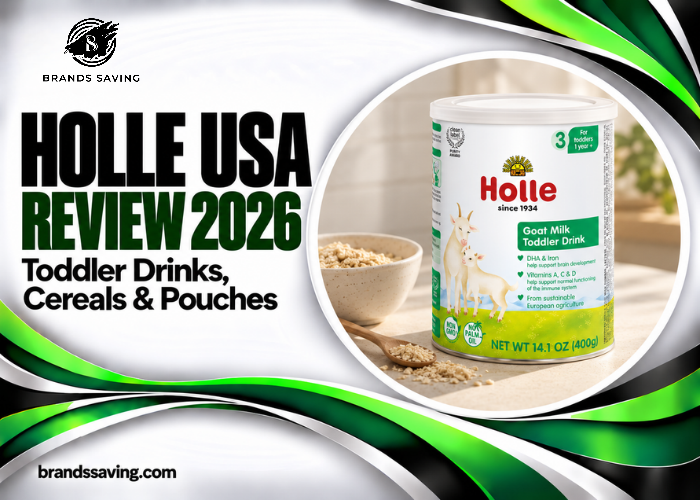
The US Goat Milk Toddler Drink is currently presented as Stage 3, 14 oz, for ages 12 months and up. Its ingredient list includes whole goat milk powder, lactose, maltodextrin, vegetable oils and added vitamins and minerals. It is a formulated drink rather than plain powdered goat milk. The brand promotes digestive gentleness, but that is not proof it will resolve a particular child’s stomach symptoms.
If you searched for a Holle stage 3 goat milk review, confirm the market and container before comparing ingredients or prices. The FDA’s 2021 Able Groupe recall announcement included European Holle products distributed through littlebundle, including a Goat Stage 3 product labeled 10+ months. That historical recall involved that distribution channel and specified products; it should not be described as a recall of every current Holle USA item. Equally, it should not be ignored when explaining why market-specific labeling matters.
Goat milk is not a default solution for cow’s-milk protein allergy. Kids with Food Allergies explains the high degree of cross-reactivity between cow, goat and sheep milk. Ask your child’s clinician about an appropriate alternative if allergy is suspected or diagnosed. A reassuring phrase such as “gentle” is not an allergy designation.
Cow Milk and A2: Compare Current Listings Carefully
The Cow Milk Toddler Drink is also presented as a US Stage 3 drink for ages 12 months and older. The reviewed ingredient list begins with partly demineralized whey and skimmed milk powder and includes maltodextrin, palm oil, other oils and nutrients. Those details make it different from the goat product. Neither should be judged solely by a general claim about the brand’s milk sourcing.
For a Holle A2 cow milk toddler drink review, current availability is an important limitation. Older site material and the sitemap mention an A2 product, but a distinct currently purchasable A2 option was not established in the reviewed toddler collection. Do not assume the regular cow listing is the same item. Ask support for the exact current A2 label and availability before ordering based on an older review.
A2 refers to a milk-protein characteristic, not the removal of all milk allergens or lactose. It should not be treated as a therapeutic claim or a guarantee of improved digestion. A child with symptoms needs an appropriate assessment rather than repeated product changes based on a promising name. If a specific formula has been prescribed for a medical reason, discuss any substitution with the prescribing clinician.
Do Toddlers Need a Toddler Drink?
The American Academy of Pediatrics says these drinks generally do not offer a nutritional advantage for most healthy children over a balanced diet that includes human milk or cow’s milk. It also distinguishes ordinary toddler products from medical or therapeutic formulas. That makes the purchase optional for many families. A premium label should not create the impression that a healthy toddler’s diet is incomplete without it.
The CDC’s formula guidance specifically warns against feeding toddler-labeled products to babies younger than 12 months. For infants receiving formula, choose an iron-containing product intended for infants and discuss questions with the child’s clinician. Do not use a toddler drink as an economical substitute, and do not alter the powder-to-water ratio to stretch a container. The age category and preparation directions matter more than brand familiarity.
Holle Organic Baby Cereal Reviews: The Useful Details
The cereal range offers a more straightforward food purchase: a grain-based component of complementary feeding rather than a replacement for milk feeding. The 4-Grain product page lists whole-grain oat, spelt, corn and wheat flours with thiamin mononitrate, and explicitly identifies wheat and gluten. It is labeled for ages six months and up. The descriptive paragraph inconsistently mentions barley, so the delivered package’s ingredient panel should resolve the recipe before use, particularly where allergens matter.
This Holle 4 grain cereal review cannot confirm a measured nutrient profile beyond the information retrieved. In particular, do not assume that “whole grain” means iron-fortified. The CDC’s iron guidance emphasizes offering iron-containing foods when solids begin. Compare the current Nutrition Facts panel with the role you need the cereal to play, especially if you are choosing between it and an explicitly iron-fortified product.
The oat cereal is a separate choice, but it should not be assumed gluten-free. Holle’s cereal guidance says the gluten-free threshold cannot be guaranteed for its oats. For a child with celiac disease or a required gluten-free diet, select a suitable labeled alternative with professional guidance. Organic sourcing does not change the presence of wheat, gluten or possible cross-contact.
Holle Baby Food Pouches Reviews: Convenience Has a Role
The Banana Llama pouch lists banana, apple, mango, apricot and a small amount of lemon juice concentrate. The brand describes this item as organic and Demeter-certified biodynamic. Its appeal is practical: a portable purée with an identifiable ingredient list. Fruit-based does not mean sugar-free, and “no added refined sugar” should not be read as a statement that the pouch contains no naturally occurring sugars.
A pouch can be convenient during travel or a busy outing, but consider its place within the day’s food rather than treating portability as a nutrition claim. Compare ingredients, portion size and the child’s developmental readiness. A fruit purée and a meal containing vegetables, grains and protein are different purchases. Check yogurt-based products separately because they introduce dairy and have a different ingredient profile.
Always supervise feeding and keep loose caps away from young children. Follow the package’s handling and storage directions after opening, including any time limit; a resealable cap does not make leftovers safe indefinitely. If the pack is damaged, leaking or otherwise abnormal, do not serve it. These routine checks are more useful than assuming attractive packaging removes the need for inspection.
Certifications and Design: What They Do and Do Not Prove
Holle’s Clean Label page presents its cereals and toddler drinks as Purity Award products and describes contaminant testing. Treat this as a product-specific certification claim, not proof of zero contaminants in every batch. It also does not establish superior clinical outcomes or make a food appropriate for an allergy. The award, organic status and biodynamic sourcing address different questions and should not be used interchangeably.
The product line contains different labeling categories. Some foods are explicitly presented as organic, while the US toddler drinks should not automatically be called USDA Organic because of the wider Holle reputation. Check the certification actually displayed on the current item. A precise description is more trustworthy than extending one product’s badge across the entire catalog.
Official photographs show tins, cereal boxes and capped pouches, but there is no firsthand packaging assessment here. A parent’s practical concern is whether the pack can be stored and used within its stated limits. Check the expiry date before committing to several units and preserve the original label and lot details after opening. Bulk convenience disappears if food expires before the household can use it.
Practical Use: Preparation, Acceptance and Expectations
For powdered drinks, follow the current tin’s complete preparation and storage instructions, using its own scoop and exact ratio. Do not transfer preparation advice from a European product or a different stage. This review deliberately does not reproduce a recipe from mixed web guidance. Ask the brand to clarify any mismatch between a website and a delivered label before preparing the product.
For cereal, make a fresh portion according to the current package and check the serving temperature. The listed instructions say to close the opened bag tightly, use it within three weeks and discard leftovers. That makes a realistic feeding routine important when choosing a multipack. A general shelf-life statement is not the same as the remaining time on the actual boxes shipped to you.
Acceptance is individual. A child may enjoy one grain texture or fruit blend and reject another without that establishing a quality defect. Start with a manageable quantity when possible and avoid promising better sleep, fewer digestive symptoms or improved development from a particular purchase. Record any concern and discuss it with a qualified professional rather than treating online reviews as diagnostic evidence.
Pricing and Value for Money
These are displayed US-dollar prices checked on October 22, 2026, not promises of stock or permanent discounts. Compare the selected pack size, shipping and any recurring-purchase setting before deciding. A six-box cereal pack is not comparable with a single pouch, and a 14 oz US tin should not be compared with an 800 g international tin without adjusting for quantity. The final delivered price is the useful number.
| Sample product | Displayed price | Value consideration |
| Goat Milk Toddler Drink, 14 oz | $39.99 | Optional toddler beverage; verify stock. |
| Cow Milk Toddler Drink, 14 oz | $29.99 | Lower listed price than goat. |
| 4-Grain Cereal, six 8 oz boxes | $31.49 sale; $44.99 reference | Check expiry before buying six boxes. |
| Oat Cereal, six-pack | $44.99 | Compare nutrition and opened-pack use. |
| Banana Llama, 12 pouches | $39.99 | About $3.33 per pouch. |
The premium is easiest to assess for a specific food you will use regularly. For cereal, compare nutrient content and cost per usable serving with other cereals. For pouches, weigh convenience against similar products or appropriate foods prepared at home. For toddler drinks, first decide whether there is a meaningful reason to buy one at all. Paying more for sourcing preferences is a personal choice, not evidence that ordinary alternatives are inadequate.
The shipping and returns page says free shipping applies over $120, while product pages display a $99 message. Verify the checkout charge rather than relying on either in isolation. The policy says purchases are final and shipped goods cannot be returned, but separately advertises a satisfaction-refund guarantee handled through support. Ask for clarification before a large order; a refund process is different from a return service. The homepage also advertises subscriptions, whose renewal terms should be checked before selection.
Compare the Pack You Will Actually Use
Review nutrition, expiry expectations, availability and the delivered total before committing to a bundle.
Check Current Holle USA Options →Holle USA Review: Pros and Cons
| Advantages | Limitations |
| Identifiable ingredient lists across several food formats. | Some descriptive details conflict between pages. |
| Cereals and purées offer practical feeding convenience. | Acceptance and tolerance differ between children. |
| Product-specific sourcing and testing information. | Certifications do not prove nutritional superiority. |
| US toddler labels identify ages 12 months and up. | Toddler drinks are unsuitable substitutes for infant formula. |
| Bundles may suit regular users. | Expiry, stock and final-sale terms affect value. |
Who Should Consider Holle USA?
Holle USA may suit families who already know an age-appropriate product works within their feeding routine and value its ingredient or sourcing approach. Cereals and purées are worth comparing as individual foods, with attention to iron, allergens and texture. A toddler drink is a more conditional purchase, best evaluated against the child’s overall diet. Neither brand loyalty nor a discount should make that decision automatically.
| Family priority | Recommendation |
| Convenient grain food from about six months | Check readiness, allergens and iron content. |
| Portable fruit purée | Compare exact blend, age guidance and portion. |
| Milk drink for a toddler over one | Discuss need within the overall diet. |
| Nutrition for an infant under one | Use an appropriate infant-feeding plan instead. |
Who Should Skip It or Seek Advice First?
Skip these toddler drinks for a baby under 12 months. Seek individualized guidance for poor growth, feeding difficulties, suspected allergy or a prescribed medical diet. Goat and A2 marketing should not prompt an unsupervised switch when milk allergy is involved. Families needing gluten-free foods must also avoid assuming the cereal range qualifies. The right food is the one that fits the child’s age and needs, even when it comes from another brand.
Customer Feedback: Useful Context, Limited Evidence
Retailer-hosted cereal reviews describe easy preparation and children accepting the food, alongside concerns about remaining shelf life and packaging convenience. Pouch feedback includes praise for taste and concern about price. These are individual reports rather than a representative clinical assessment. Some displayed cereal reviewers use marketplace-style names, so they should not all be presented as verified direct-store purchases.
When reading Holle USA reviews, match the product, market and pack size to your own order. A parent’s positive experience with a pouch says little about a toddler drink’s suitability, and a favorable digestion report cannot establish an allergy-safe formula. No satisfaction percentage or numerical editorial score is supplied here. The most useful review details are concrete ones such as packaging condition, ingredients, expiry and the seller’s response to a problem.
Competitor Comparison: Choose by Food Category
Earth’s Best Organic Baby Oatmeal explicitly describes iron fortification, making it a relevant nutritional comparison for grain cereal. Happy Baby’s pouch collection offers another place to compare purée ingredients and portions. Neither comparison proves one brand is universally better. Match the exact food to the job it needs to do.
| Option | Relevant comparison | What to check |
| Holle 4-Grain Cereal | Grain-based complementary food. | Wheat/gluten, current label and iron content. |
| Earth’s Best Organic Oatmeal | Explicitly iron-fortified infant cereal. | Nutrition, age guidance and serving cost. |
| Holle fruit pouches | Portable purée blends. | Exact ingredients, portion and price. |
| Happy Baby pouches | Alternative purée range. | Compare like-sized blends and allergens. |
| Usual age-appropriate toddler diet | Baseline before buying toddler drinks. | Individual needs with the child’s clinician. |
Frequently Asked Questions
Is Holle USA legit?
Holle USA has an operating storefront, published contact details and an FAQ identifying JSG Organics as its official US distributor. Verify the seller and exact product when shopping elsewhere. Store identity does not establish that every item suits every child.
Is Holle Stage 3 goat milk suitable for infants?
The current US Goat Milk Toddler Drink is labeled for ages 12 months and older. It should not replace infant formula for a baby under one. International stage names and age labels can differ, so use the current US package.
Do healthy toddlers need Holle toddler drinks?
Most healthy toddlers do not need a toddler drink as a routine next step. The AAP generally finds no nutritional advantage over a suitable varied diet. Ask a clinician about specific nutritional concerns rather than assuming a premium drink is necessary.
Is Holle goat milk safe for cow’s-milk allergy?
Goat milk should not be treated as an allergy-safe alternative to cow’s milk. Cross-reactivity is common. A child with suspected or diagnosed milk allergy needs an individualized feeding plan from a qualified clinician.
Is Holle A2 Cow Milk Toddler Drink currently available?
Older Holle USA material mentions an A2 product, but a distinct purchasable A2 listing was not established in the reviewed current collection. Ask support for the current label and availability. Do not assume the regular cow product is identical.
What is in Holle 4-Grain Cereal?
The reviewed ingredient panel lists oat, spelt, corn and wheat flours with thiamin mononitrate. It identifies wheat and gluten. Because the page’s description also mentions barley, check the delivered label before use, especially for allergy decisions.
Is Holle oat cereal gluten-free?
Holle says it cannot guarantee the gluten-free threshold for its oat cereal. Do not choose it as a gluten-free product without an appropriate current label. Organic status does not establish freedom from gluten or cross-contact.
Are Holle fruit pouches sugar-free?
Fruit purées contain naturally occurring sugars even when no refined sugar is added. Read the current ingredient and Nutrition Facts panels. Compare the food’s overall role in your child’s diet rather than relying on one front-label phrase.
Were Holle products recalled in the United States?
The FDA published a 2021 Able Groupe recall involving specified imported European formulas distributed through littlebundle. That historical notice is not a recall of every current Holle USA product. Match any recall notice to the actual product and distribution details.
Can you return Holle USA food orders?
The shipping policy says shipped food orders cannot be returned, while separately describing a satisfaction-refund process through support. Contact the seller promptly about problems and retain order and packaging details. Confirm the applicable terms before a large purchase.
Final Verdict: A Product-by-Product Decision
Holle USA is worth considering for specific cereals and purées when the ingredients, age guidance and delivered cost fit your family. The toddler drinks require a separate decision: they are not infant formula, not allergy treatments and not necessary for most healthy toddlers. The brand’s sourcing approach may appeal, but it should sit alongside practical nutrition questions rather than displace them. Stock and inconsistent website details also deserve checking before a bulk order.
The best purchase is a food you can identify accurately, use before expiry and fit into an appropriate feeding plan. Compare the current label, keep the quantity manageable and ask support to resolve unclear details. No numerical rating is assigned because there was no feeding trial and no universal product choice applies to every child. For medical or growth concerns, professional feeding guidance is more valuable than another review score.
Choose for Your Child’s Current Stage
Compare the official labels and availability, and check with your child’s clinician when nutritional needs or allergies are uncertain.
Review Holle USA Products →