Outdoor Gear for All Seasons: What to Pack for Cold, Rainy & Hot Weather
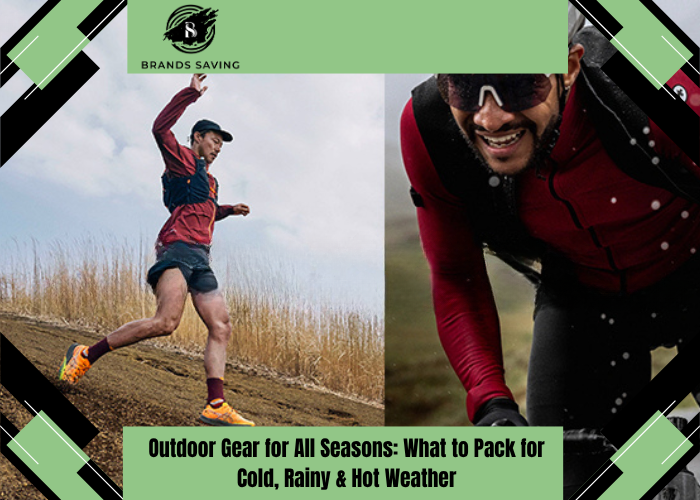
Outdoor adventures are exciting, refreshing, and often unforgettable but the weather can completely change the experience. A scenic hiking trail can quickly become uncomfortable if you’re freezing, soaked, or overheating because you packed the wrong gear. That’s why choosing the right outdoor gear for every season is one of the most important parts of trip preparation.
Whether you enjoy hiking, camping, trekking, cycling, fishing, or weekend road trips, having reliable gear allows you to stay comfortable, safe, and focused on enjoying the outdoors instead of battling the elements. From icy mountain mornings to humid summer trails and unexpected rainstorms, every season demands a different approach to clothing and equipment.
In this complete 2026 guide, we’ll explore the best outdoor gear for cold weather, rainy conditions and hot climates. You’ll also learn how to choose versatile equipment that works year-round, what essentials you should never leave behind, and how to build a practical outdoor setup without overspending.
Why Seasonal Outdoor Gear Matters
A lot of people underestimate how much weather impacts outdoor performance and safety. Wearing the wrong materials or forgetting key protective gear can lead to dehydration, hypothermia, blisters, overheating, or simply a miserable experience.
Modern outdoor gear is designed with performance in mind. Lightweight insulation, waterproof fabrics, moisture-wicking clothing, breathable footwear, and compact accessories now make it easier than ever to adapt to changing weather conditions.
Good outdoor gear helps you:
- Stay warm without overheating
- Remain dry in rain and snow
- Improve mobility and comfort
- Reduce fatigue on long trips
- Protect yourself from environmental risks
- Extend the lifespan of your equipment
Instead of buying random items season by season, it’s smarter to build a reliable collection of adaptable gear that works across multiple conditions.
Cold Weather Adventures: Essential Gear for Freezing Conditions
Cold-weather adventures can be incredibly rewarding. Snow-covered trails, winter camping, mountain trekking, and cold morning hikes offer some of the most beautiful outdoor experiences. However, low temperatures require careful preparation.
The biggest challenge in cold environments is maintaining body heat while managing sweat and moisture. Many beginners make the mistake of wearing heavy cotton clothing, which traps moisture and actually makes the body colder.
The secret to staying comfortable in winter conditions is layering.
The Layering System Explained
A proper layering system helps regulate body temperature while adapting to changing activity levels.
Base Layer: Moisture Management
Your base layer sits directly against the skin and should wick sweat away from your body. Staying dry is essential in cold weather because damp clothing rapidly lowers body temperature.
Merino wool and synthetic fabrics are considered the best options because they dry quickly and retain warmth efficiently.
Avoid cotton at all costs in cold environments.
Mid Layer: Insulation
The mid layer traps body heat and creates insulation. Fleece jackets, synthetic insulated hoodies, and lightweight down jackets are excellent choices.
The ideal mid layer should:
- Retain warmth
- Remain breathable
- Compress easily into a backpack
- Stay lightweight during movement
Outer Shell: Weather Protection
The outer shell protects against snow, wind, and freezing rain. Waterproof and windproof jackets are essential for maintaining warmth in harsh conditions.
Look for jackets featuring:
- Waterproof membranes
- Ventilation zippers
- Adjustable hoods
- Breathable fabric technology
A good shell layer prevents cold winds from cutting through your clothing system.
Cold Weather Accessories You Should Never Skip
Many people focus only on jackets and forget that body heat escapes rapidly through the head, hands, and feet.
Important winter accessories include:
- Thermal gloves
- Wool socks
- Insulated beanies
- Neck gaiters
- Hand warmers
- Waterproof gaiters for snow
Even a simple pair of quality thermal socks can dramatically improve comfort during long hikes.
Limited-Time Winter Gear Offer
Many outdoor brands offer seasonal winter sales between late autumn and early spring. Look for discounts on insulated jackets, thermal layers and waterproof boots during off-season clearance events.
Best Footwear for Winter Adventures
Footwear becomes especially important in freezing conditions. Slippery terrain, snow and icy surfaces require traction and insulation.
The best cold-weather hiking boots typically include:
- Waterproof construction
- Insulated lining
- Aggressive grip soles
- Ankle support
- Breathable inner materials
Pairing insulated boots with moisture-wicking socks helps prevent frostbite and blisters during extended outdoor activities.
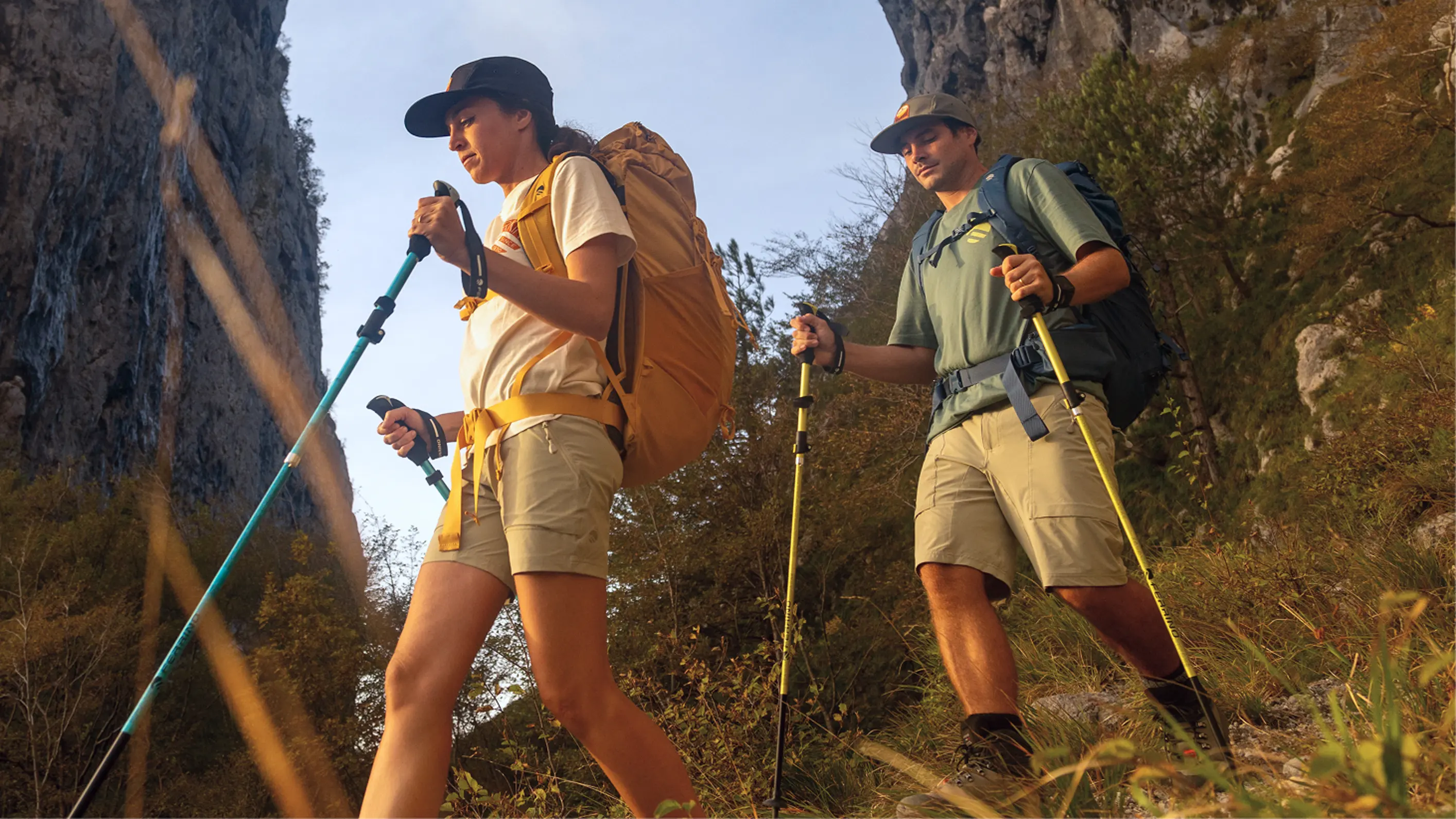
👉 Explore high-quality outdoor gear and apparel here:
Rainy Weather Gear: How to Stay Dry and Comfortable
Rain can completely change an outdoor trip within minutes. Wet clothing creates discomfort, increases body heat loss, and makes hiking or camping significantly harder.
The good news is that modern waterproof gear has improved tremendously in recent years. Lightweight rain protection is now more breathable, packable, and durable than ever before.
Waterproof Jackets: Your Most Important Rain Layer
A waterproof jacket is one of the most valuable pieces of outdoor gear you can own.
Not all rain jackets perform equally, though. Cheap waterproof coatings often fail during prolonged exposure, trapping sweat inside and causing discomfort.
Look for features such as:
- Waterproof membranes
- Durable Water Repellent (DWR) coating
- Adjustable cuffs and hood
- Ventilation openings
- Lightweight construction
Breathability matters just as much as waterproofing. You want protection from rain without feeling like you’re trapped inside plastic.
Rain Pants and Overtrousers
Rain pants are often overlooked until the weather becomes severe. Wet pants can make hiking uncomfortable and increase the risk of chafing.
Packable overtrousers are ideal because they:
- Take up little space
- Add instant protection
- Prevent mud and water penetration
- Work well in changing conditions
For hikers and cyclists, lightweight rain pants can completely transform a wet-weather experience.
Outdoor Rain Gear Offer
Some outdoor retailers bundle waterproof jackets and rain pants together at reduced prices during seasonal promotions. Bundle deals are often more affordable than buying items separately.
Waterproof Footwear and Socks
Wet feet ruin adventures faster than almost anything else.
Quality waterproof hiking boots paired with quick-dry socks help maintain comfort even during heavy rainfall or muddy trail conditions.
Many modern hiking boots now combine:
- Waterproof membranes
- Breathable materials
- Lightweight designs
- Faster drying times
Quick-dry synthetic socks are usually better than cotton because they reduce moisture buildup and blister formation.
Backpack Protection and Dry Storage
Even if your clothing stays dry, soaked electronics and gear can become a serious problem.
A backpack rain cover is essential during rainy adventures. Dry bags are also useful for protecting:
- Phones
- Cameras
- Power banks
- Maps
- Spare clothing
Microfiber towels are another underrated item because they dry quickly and take up minimal space.
Quick-Dry Clothing for Wet Conditions
Synthetic materials such as polyester and nylon work especially well in rainy weather because they dry rapidly and remain lightweight when damp.
Quick-dry clothing helps:
- Reduce discomfort
- Improve mobility
- Prevent chilling
- Make multi-day trips easier
This is particularly important during humid conditions where natural drying becomes difficult.
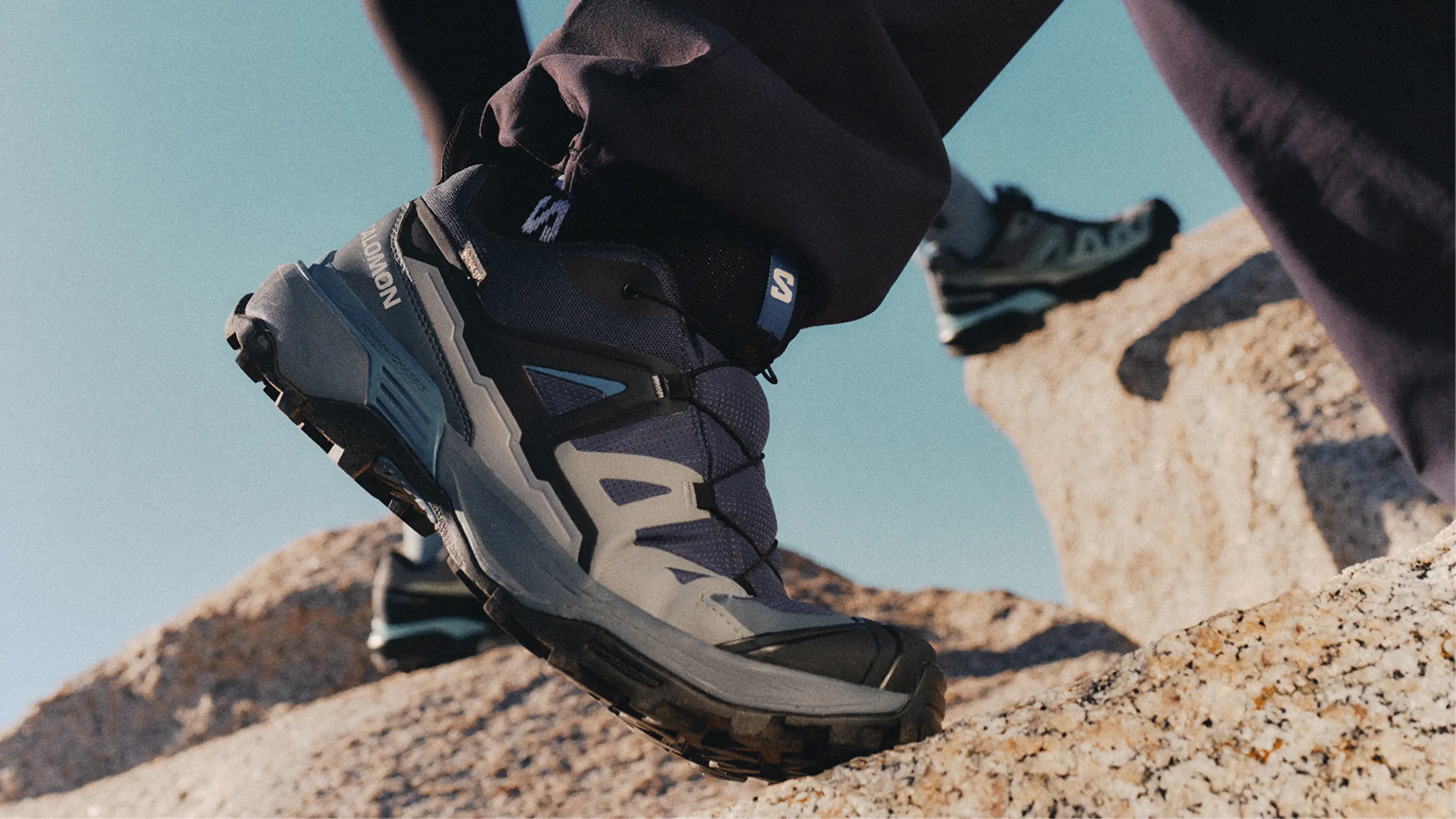
👉 Check out the latest waterproof jackets and hiking boots here:
Hot Weather Outdoor Gear: Staying Cool and Protected
Outdoor activities in hot weather create entirely different challenges. Instead of retaining warmth, your focus shifts toward cooling, hydration, and sun protection.
Heat exhaustion and dehydration are common problems during summer hiking and camping trips, especially for beginners.
Choosing the right hot-weather gear can significantly improve endurance and safety.
Breathable Clothing for Summer Adventures
Lightweight, moisture-wicking clothing helps regulate body temperature and improves airflow.
The best hot-weather fabrics include:
- Polyester blends
- Nylon
- Bamboo fabric
- Merino wool (lightweight versions)
Loose-fitting long sleeves are often better than sleeveless shirts because they provide sun protection while remaining breathable.
Avoid dark colors whenever possible since they absorb more heat.
Sun Protection Is Non-Negotiable
One of the biggest mistakes outdoor enthusiasts make is underestimating sun exposure.
Long hours outdoors can lead to:
- Sunburn
- Heat exhaustion
- Dehydration
- Skin damage
- Fatigue
Essential sun-protection gear includes:
- Wide-brim hats
- UV-blocking sunglasses
- SPF 50+ sunscreen
- Neck protection
- UPF-rated clothing
Protecting your skin becomes especially important during high-altitude hiking where UV exposure increases.
Summer Adventure Savings
Outdoor stores frequently run summer promotions on hydration packs, trail shoes, and lightweight clothing collections during peak hiking and camping season.
Hydration Systems and Water Storage
Hydration is one of the most important aspects of hot-weather outdoor activities.
Many experienced hikers prefer hydration reservoirs because they allow easy water access while moving.
For most day hikes, carrying at least two liters of water is recommended, though hotter climates may require more.
Hydration packs are useful because they:
- Encourage frequent drinking
- Reduce stopping time
- Distribute weight efficiently
- Provide extra storage compartments
Electrolyte tablets are also useful during intense summer activities.
Ventilated Footwear for Warm Conditions
Heavy insulated boots can become uncomfortable in summer heat.
Instead, many hikers switch to:
- Lightweight trail shoes
- Breathable hiking shoes
- Hiking sandals for casual trails
Good ventilation reduces sweating and improves comfort during long-distance walking.
Cooling Accessories Worth Carrying
Some small accessories can make a surprisingly large difference in hot weather.
Popular cooling items include:
- Cooling towels
- UV arm sleeves
- Breathable caps
- Portable fans
- Lightweight neck wraps
These items are especially helpful during long treks or outdoor festivals.
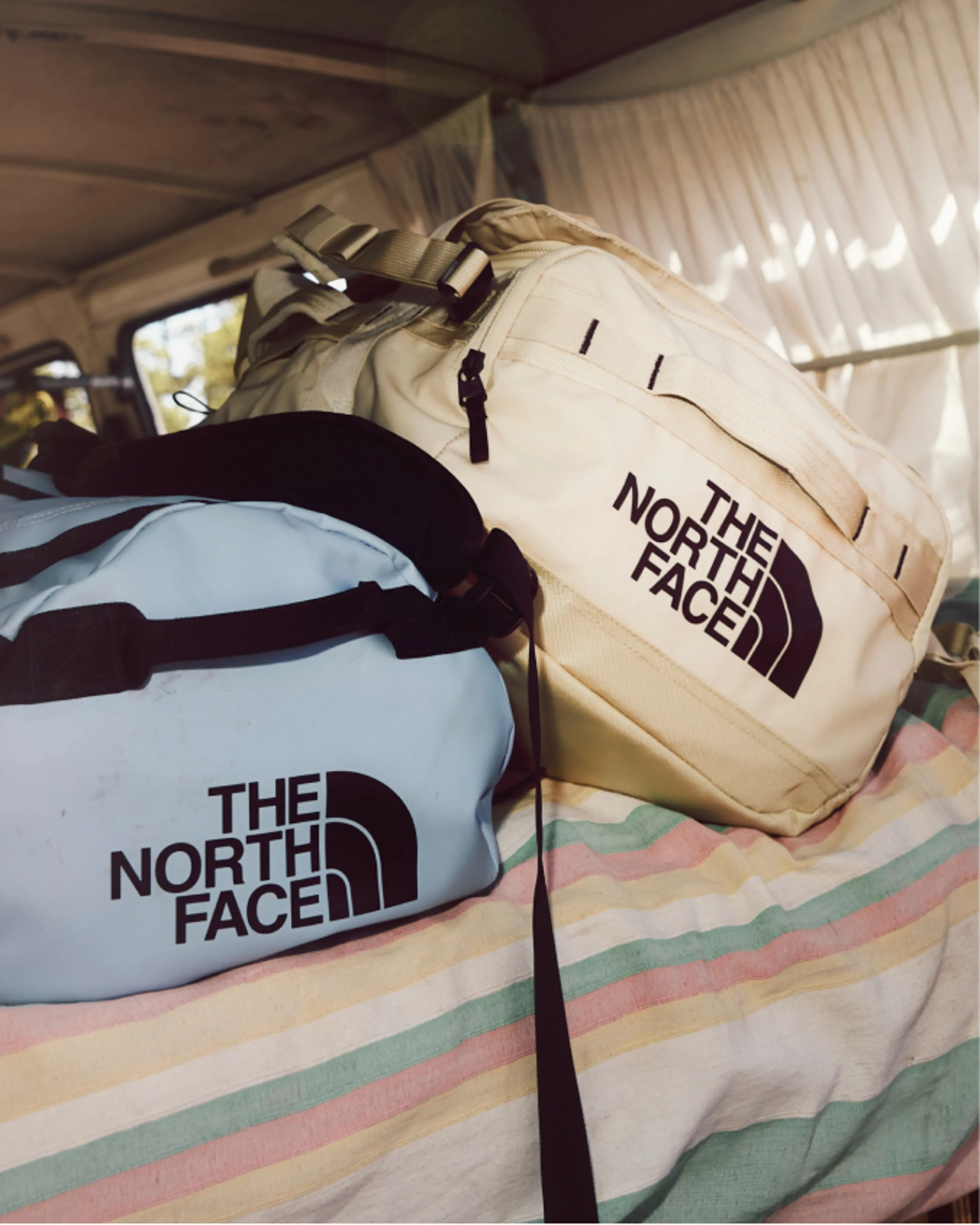
👉 Shop durable all-season backpacks and accessories here:
All-Season Outdoor Essentials You Should Always Carry
No matter the weather or season, some gear should always be inside your backpack.
These essentials improve safety and help prepare for emergencies or unexpected delays.
Core Outdoor Essentials
Every outdoor kit should include:
- First-aid kit
- Portable charger or power bank
- Multi-tool or pocket knife
- Emergency blanket
- Flashlight or headlamp
- Energy snacks
- Navigation tools
- Water purification tablets
- Whistle for emergencies
Even short outdoor trips can become complicated due to weather changes or navigation issues.
Preparedness matters.
How to Choose Outdoor Gear That Works Year-Round
Buying separate gear for every season can become expensive quickly. A smarter strategy is investing in versatile equipment that adapts well across different environments.
Focus on Layering Instead of Bulk
Instead of relying on one heavy jacket, many experienced outdoor enthusiasts build modular clothing systems.
Layering allows flexibility because you can:
- Add insulation when cold
- Remove layers when active
- Adapt to sudden weather changes
- Use the same gear across seasons
This approach also saves space and money over time.
Prioritize Durability Over Trends
Outdoor gear should last for years, not months.
Cheaper products often fail in important moments because of:
- Weak stitching
- Poor waterproofing
- Inferior zippers
- Low-quality materials
Spending slightly more on reliable gear often reduces long-term replacement costs.
Bundle Discount Opportunity
Some outdoor retailers offer bundle discounts on backpacks, jackets and hiking accessories when purchased together. These deals are especially common during holiday and end-of-season sales.
Sustainable Outdoor Gear Is Growing in Popularity
Eco-friendly outdoor equipment has improved significantly in recent years.
Many brands now use:
- Recycled polyester
- Organic cotton blends
- PFC-free waterproof coatings
- Ethical down insulation
- Sustainable manufacturing processes
Choosing durable, environmentally conscious gear helps reduce waste while supporting more responsible production practices.
Pros and Cons of Investing in Quality Outdoor Gear
| Pros | Cons |
|---|---|
| Better comfort in all weather conditions | Higher upfront cost |
| Improved durability and longevity | Premium brands can be expensive |
| Increased safety outdoors | Technical gear may require maintenance |
| Better temperature regulation | Finding the right fit takes time |
| More versatility across seasons | Some lightweight gear sacrifices durability |
Who Should Invest in Seasonal Outdoor Gear?
Seasonal outdoor gear isn’t just for extreme adventurers.
It benefits:
- Weekend hikers
- Campers
- Cyclists
- Travelers
- Photographers
- Fishermen
- Backpackers
- Trail runners
- Outdoor workers
Even casual outdoor enthusiasts can greatly improve comfort and safety with proper equipment.
If you spend time outside regularly, quality gear becomes a worthwhile investment.
Pricing and Value: Is Premium Outdoor Gear Worth It?
Outdoor gear ranges from budget-friendly basics to premium technical equipment.
For beginners, it’s usually best to prioritize:
- Footwear
- Waterproof protection
- Base layers
- Backpack quality
These items have the biggest impact on comfort and performance.
Premium outdoor gear often costs more because of:
- Better materials
- Advanced waterproof technology
- Improved durability
- Lighter weight construction
- Better warranties
However, not every expensive product is necessary. Mid-range gear from reputable brands often delivers excellent value for most outdoor activities.
Final Verdict
Choosing the right outdoor gear for every season can completely transform your outdoor experiences. The difference between an enjoyable adventure and an uncomfortable one often comes down to preparation.
For cold weather, focus on layering, insulation, and waterproof protection. In rainy conditions, prioritize breathable waterproof gear and quick-drying materials. During hot weather, lightweight clothing, hydration and sun protection become essential.
The best outdoor setup isn’t necessarily the most expensive it’s the one that keeps you comfortable, safe and adaptable in changing conditions.
By investing in versatile, durable, and season-appropriate gear, you’ll be ready for everything from mountain hikes and forest camping trips to summer trekking and rainy-day adventures.
FAQ: Outdoor Gear for Every Season
What is the most important outdoor gear item for beginners?
Footwear is usually the most important investment. Comfortable, weather-appropriate hiking shoes or boots significantly improve safety and comfort during outdoor activities.
How do I dress properly for cold weather hiking?
Use a three-layer system consisting of a moisture-wicking base layer, an insulating mid layer and a waterproof outer shell. Avoid cotton clothing because it traps moisture.
Are expensive waterproof jackets worth it?
Higher-quality waterproof jackets generally provide better breathability, durability, and long-term weather protection. They often perform much better during extended rain exposure.
What fabrics are best for hot-weather hiking?
Lightweight synthetic materials, bamboo fabrics, and lightweight merino wool work well because they wick moisture and dry quickly.
How much water should I carry during summer hikes?
For most day hikes, carrying at least two liters of water is recommended. Hot climates or intense physical activity may require significantly more.
What should always be inside an outdoor backpack?
A first-aid kit, flashlight, water, snacks, navigation tools, emergency blanket, and portable charger are essential items for almost every outdoor trip.
Can one backpack work for all seasons?
Yes, many versatile backpacks work year-round if they offer weather resistance, adjustable storage, hydration compatibility and durable construction.
👉 Find the perfect gear for every season here.
At BrandsSaving, we are dedicated to helping you shop more intelligently, spend more judiciously, and find superior value online. Regardless of whether you are a student, a parent, a fashion enthusiast, or just a sensible shopper, we link you to dependable savings opportunities and trustworthy buying options from your preferred brands across the globe
Subscribe
Sign up below to receive money-saving tips, frugal ideas, family-friendly recipes, and more.